
May 9, 2026
Can Police Search Your Car During a Traffic Stop in New York?
By Yvonne Garbett, Esq.
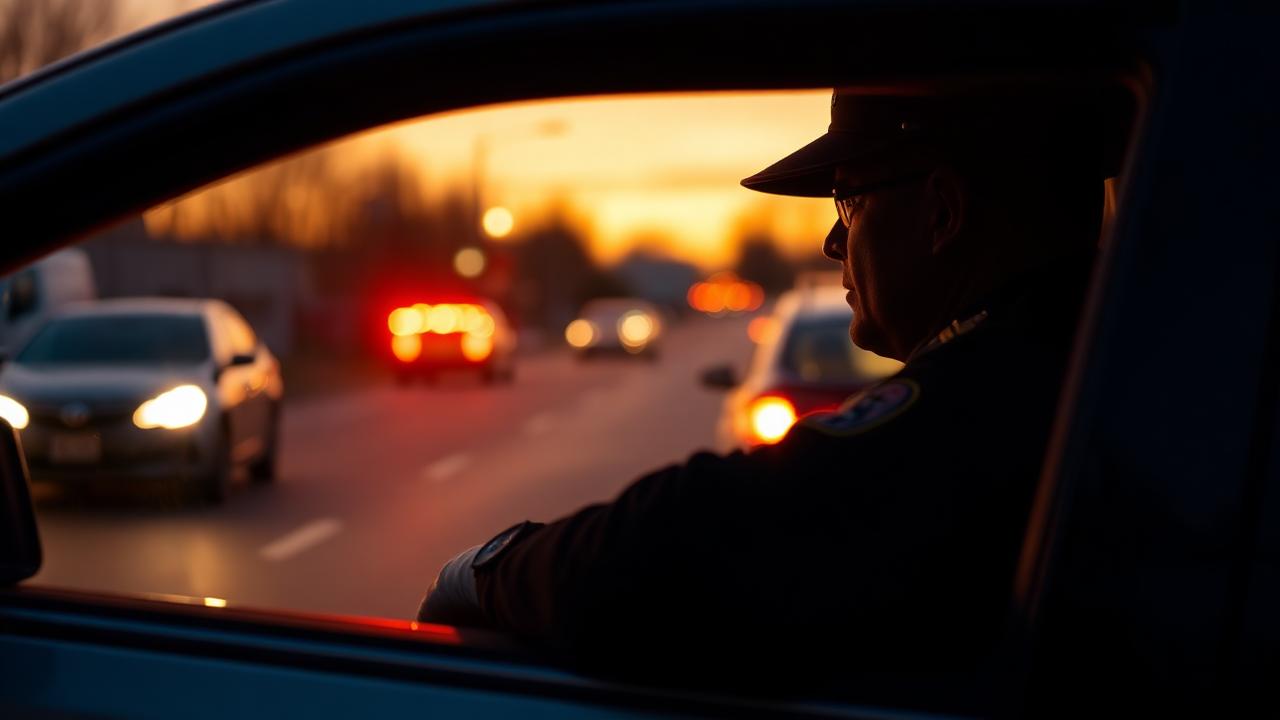
Traffic stops are one of the most common ways criminal cases begin in New York. During these stops, many drivers are unsure about what police legally can and cannot do — especially when it comes to searching a vehicle.
In general, police officers cannot search your vehicle without legal justification.
In New York, officers typically need:
Your consent
Probable cause
A warrant exception
Or evidence connected to criminal activity
For example, if police claim they smelled marijuana or observed drugs in plain view, they may argue they had probable cause to search the vehicle. In other situations, officers ask drivers for permission to search without fully explaining that consent can be refused.
Vehicle searches frequently arise in cases involving:
Drug possession
Weapons charges
DWI allegations
Suspended license offenses
One of the most important parts of a criminal defense case is carefully reviewing whether the search itself was lawful. If police violated constitutional protections, evidence discovered during the stop may potentially be challenged in court.
Drivers should also remember:
You have the right to remain silent
You do not have to answer incriminating questions
You should never physically resist police
You should avoid arguing roadside
If you were arrested after a traffic stop in Rockland County or Orange County, understanding your rights is extremely important.