
October 24, 2026
What Happens If You Refuse a Breath Test in New York?
By Yvonne Garbett, Esq.
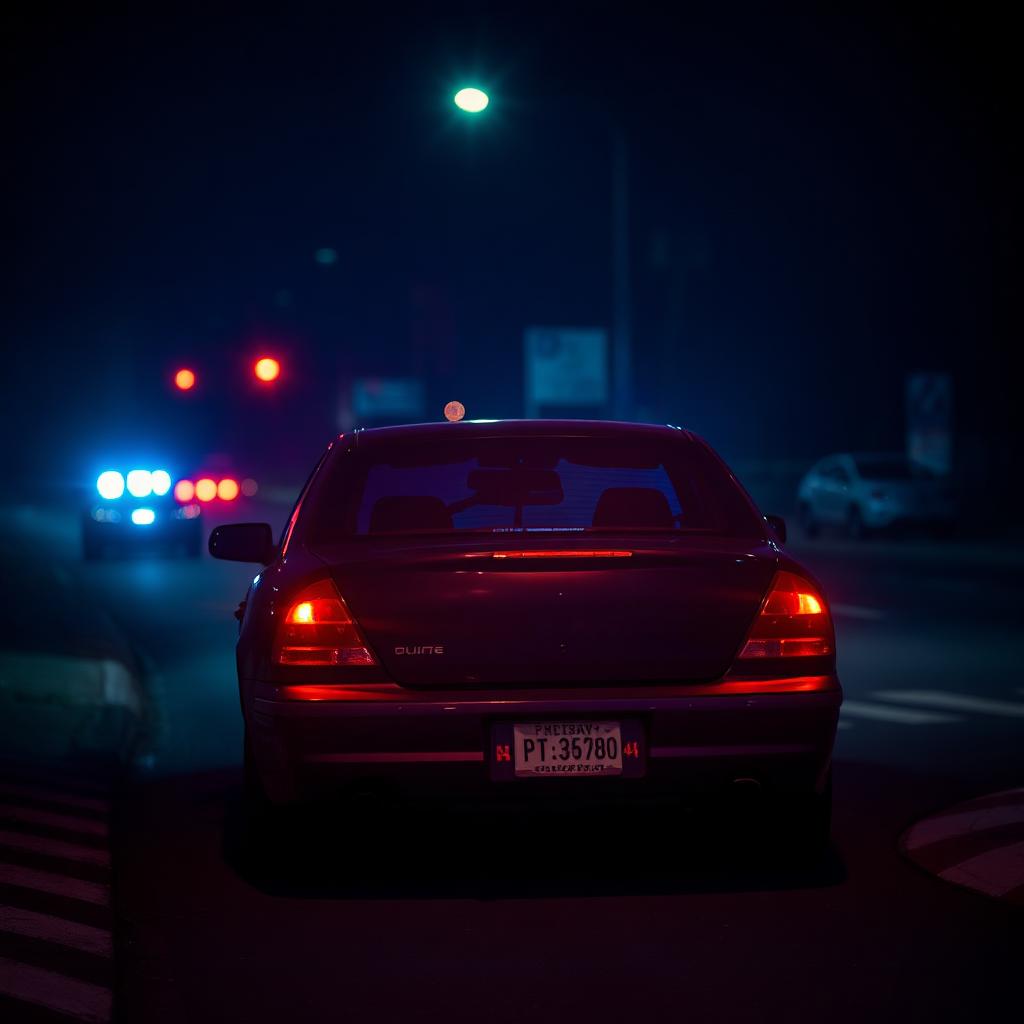
New York's implied consent law means that by driving in this state, you have already agreed to submit to a chemical test if an officer has reasonable grounds to believe you are intoxicated. Refusing that test sets off a chain of consequences — some immediate, some that unfold over the following weeks.
The Immediate Consequence: Your License
At your arraignment — your first court appearance — the judge will typically suspend your license pending prosecution. If the DMV later sustains the refusal, your license is revoked for at least one year, plus a $500 civil penalty. For a driver with a prior DWI-related incident within five years, the revocation is longer.
The DMV Refusal Hearing
The refusal itself is not a crime — it is a civil violation handled at a DMV refusal hearing, usually scheduled within weeks of the arrest. An administrative law judge decides four questions: whether the officer had reasonable grounds for the stop and arrest, whether you were lawfully arrested, whether you were clearly warned about the consequences of refusing, and whether you actually refused.
These hearings can be won. Incomplete warnings, language barriers, medical conditions, and ambiguous conduct can all defeat a refusal allegation. The hearing also gives your attorney something valuable: the arresting officer's testimony under oath, early, which can be used in the criminal case.
The Criminal Case Continues Anyway
Refusing does not make the DWI charge go away. Prosecutors can still charge 'common law' DWI under VTL §1192(3) based on the officer's observations — your driving, your speech, your balance, the odor of alcohol. And the prosecution can tell the jury that you refused, arguing it shows consciousness of guilt.
The tradeoff: without a BAC number, the prosecution's case rests entirely on observations that can be challenged. Many refusal cases are more defensible on the criminal side — the cost is the DMV revocation if the refusal is sustained.
What To Do Now
The DMV hearing comes fast, and the deadlines are unforgiving. If you refused — or are being accused of refusing — call an attorney immediately. Garbett Law handles both sides of a refusal case: the criminal charge and the DMV hearing. Call (845) 290-2492, 24/7. Se habla español.