DWI Defense
Breathalyzer and Chemical Test Evidence in New York
Former Rockland County prosecutor assigned to the DWI bureau · Tried cases on both sides of the courtroom · Admitted 2002
Short answer
In New York, a roadside breath screening only helps an officer decide whether to arrest; the number used in court usually comes from a later evidentiary breath test or a blood test. Those results are admissible only when the test followed Department of Health rules under 10 NYCRR Part 59, so the defense reviews the instrument, operator and procedure records.
A breath number can look like the end of the story. It isn’t. Behind every evidentiary result is a set of records — who ran the test, on what instrument, after what observation, and with what maintenance history — and the law requires that the test meet specific standards before it is used against you.
Roadside screening versus the evidentiary test
VTL § 1194(1)(b) allows an officer to request a preliminary breath screening at the roadside after a crash or a traffic violation. That handheld result is generally used to decide whether there is probable cause to arrest. Refusing it is a traffic infraction on its own.
The evidentiary test is different. Under VTL § 1194(2), it is requested after an arrest (or after a screening indicates alcohol), usually at a police station, on an approved instrument operated by a person holding a permit. That result is the one prosecutors typically use to prove a per se charge under VTL § 1192(2).
Approved instruments and operator permits
10 NYCRR Part 59 sets the Department of Health standards for breath analysis: which instruments and techniques are approved, how operators are trained and permitted, and what calibration and reference-standard checks are required. A result from an instrument or operator that did not meet those standards can be challenged.
The observation period
Approved breath-testing procedures require the subject to be observed for a period before the sample is taken, so that mouth alcohol from belching, regurgitation or recent drinking does not contaminate the result. The defense compares the officer’s log and any station video with the required procedure.
Calibration and maintenance records
Breath instruments are periodically calibrated and checked against reference standards, and the records of those checks — together with repair and maintenance logs — are requested in discovery under CPL Article 245. Gaps, overdue checks or out-of-range results can affect admissibility or weight.
The two-hour rule
VTL § 1194(2)(a) deems a driver to have consented to a chemical test administered within two hours after arrest, or within two hours after a positive breath screening. Timing matters: a test outside that window raises legal questions about how, and whether, the result may be used. The answer depends on the facts and current case law.
Blood tests
Blood may be drawn at an officer’s request by qualified medical personnel listed in VTL § 1194(4), or under a court order in certain cases, and analyzed by a laboratory holding a Department of Health permit. The defense reviews the chain of custody, the draw time, the preservative and the lab’s records.
How the defense reviews test evidence
Yvonne Garbett was assigned to the DWI bureau as a Rockland County prosecutor, where these records are assembled. As a defense attorney she requests the test ticket, operator permit, calibration and simulator records, observation log and video, and compares them with the regulations. Some problems lead to suppression or a better resolution; many do not. Every case is different.
Official New York resources
Official New York sources
Frequently asked questions
Is the roadside breath test used in court?
Generally the preliminary screening is used to decide probable cause to arrest, not to prove intoxication at trial. The evidentiary test taken later is the one usually offered as proof of blood alcohol concentration.
Can a breath test result be challenged?
Yes. The defense can challenge whether the instrument, operator permit, observation period and calibration met 10 NYCRR Part 59, and whether the test was timely under VTL § 1194. Success depends on the records.
What is the two-hour rule in New York?
VTL § 1194(2)(a) deems consent to a chemical test given within two hours after arrest or after a positive breath screening. How a later test is treated depends on the circumstances.
Who can draw blood in a DWI case?
VTL § 1194(4) lists qualified personnel, such as physicians, registered and licensed practical nurses and certain technicians, acting at a police officer’s request.
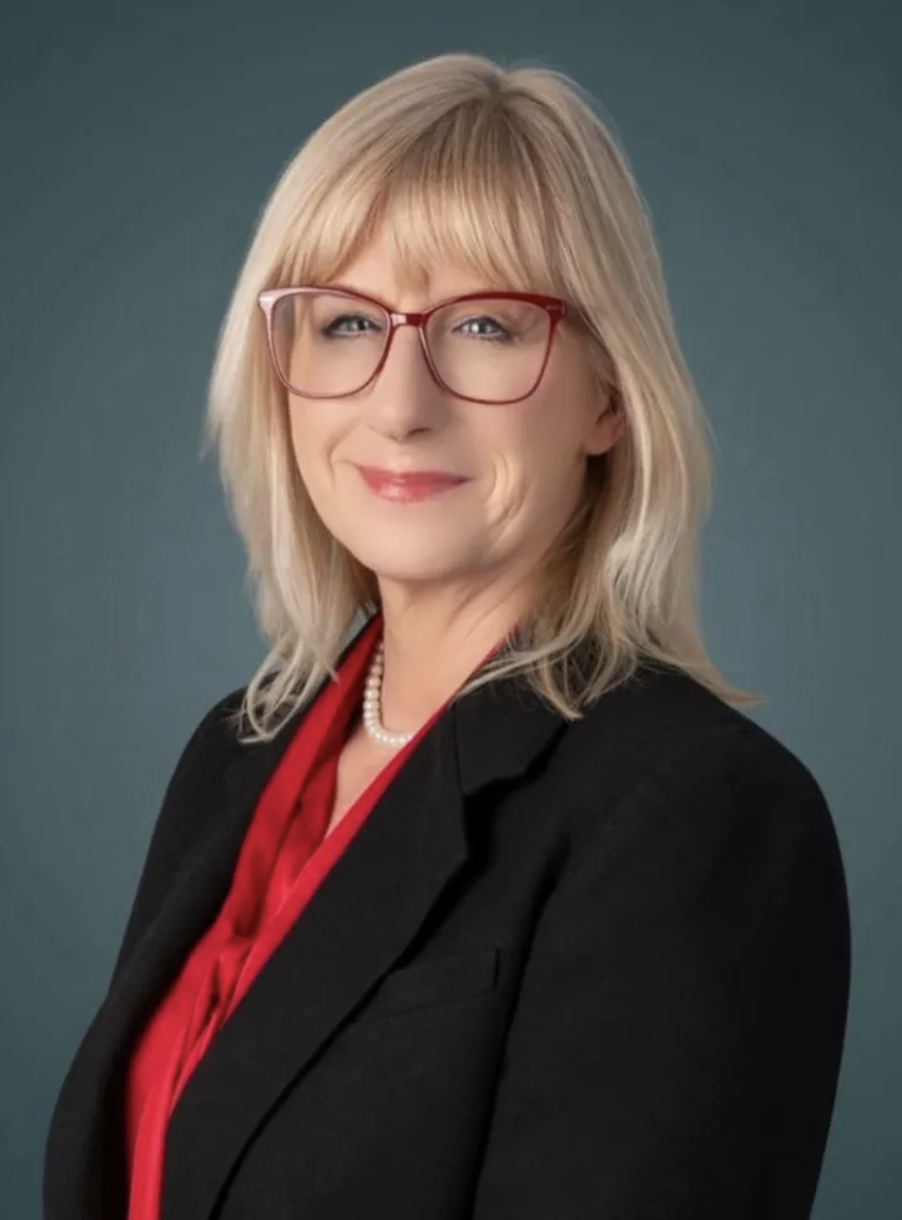
Written by Yvonne F. Garbett, Esq.
Former Rockland County prosecutor assigned to the DWI bureau · Tried cases on both sides of the courtroom · Admitted 2002
Attorney advertising. General information, not legal advice. Prior results do not guarantee a similar outcome.
DWI guides
Speak with Yvonne directly
Call Law Office of Yvonne Garbett at (845) 290-2492 for a free confidential consultation, available 24/7. Former Rockland County prosecutor assigned to the DWI bureau · Tried cases on both sides of the courtroom · Admitted 2002.